

Why Google Analytics Matters for Your Business Website

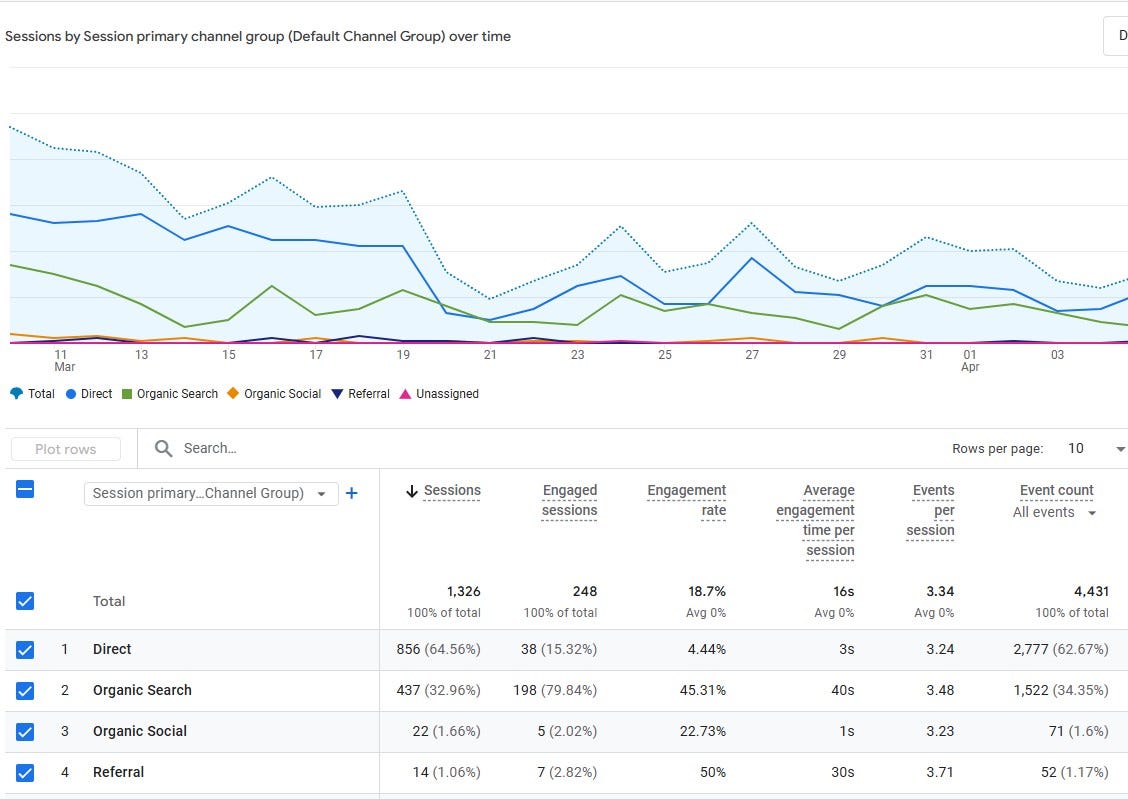
Google Analytics is something every business website should have installed. But here’s the real question: even if you already have it, when was the last time you actually looked at it?
I can’t tell you how many people I talk to who say, “Oh, my developer set that up for me,” or “A friend installed it.” And yet they’ve never logged in, never reviewed the data, and never tried to analyze what’s really happening on their website.
So why does this matter? Because analytics tell you if your marketing is working.
Let’s say you’re paying $500 a year to be listed on a wedding directory. The directory might give you some numbers about traffic, but you need to cross-check that in your own analytics. Are people actually coming from the directory to your homepage? And if they are, what happens next? Do they click on your services page? Do they stay a while, or do they leave right away?
If visitors land on your homepage, then click to your services page, and immediately bounce after 10 seconds, that tells you something important. The directory is working for you, it’s bringing you traffic. Your homepage is working for you, it’s getting people to the next step. But your services page is failing. Something about it is turning people away. Without analytics, you’d never know where the problem is or even if there is a problem other than people are not converting.
This is the real power of Google Analytics. It shows you not just where your traffic is coming from, but also what people do once they arrive. How long do they stay? What pages are they interested in? Where do you lose them? Every answer helps you improve your website and your marketing ROI.
Google Analytics is free, businesses don’t have any excuses to not use it. Google has partnered with Skillshop to offer free training for it too. At the very least, take the Google Analytics for Beginners training or the GA4 basics course. Even a little knowledge will give you better insight into how people use your website and, more importantly, where your site might be costing you business.